

I hope you have read “About the Service.” This explains the basic meaning behind our Sunday services. In more practical terms, here is what you can expect, if you don’t already know.
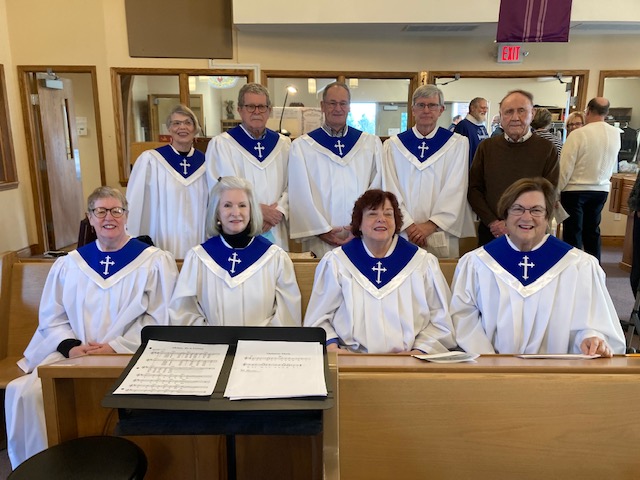
When you arrive at St. Michael’s you will be greeted by members of our congregation who are the designated greeters and ushers for the day. They will give you a bulletin that will help you follow the service.
Please introduce yourself to the people around you before the service starts. They can help you with questions about what we are doing.
We have placed guide booklets about the service in the pockets behind the pews. These may be helpful to you. We basically follow the service guidelines in two books – the Book of Common Prayer, and the Hymnal 1982. If you are unfamiliar with the Episcopal Church, the bulletin should direct you to the proper pages of these books at the appropriate times in the service. Please do not feel badly if you fumble or feel like you can’t keep up. We have all been through it. It takes practice to learn how to ride a bicycle. Page numbers in the Hymnal that begin with an “S” refer to service music. This music is a part of our sung dialogue with God and with one another that keeps the service moving. “Hymns” are songs we all sing together at certain times in the service. These hymns are assigned page numbers that do NOT begin with “S.”
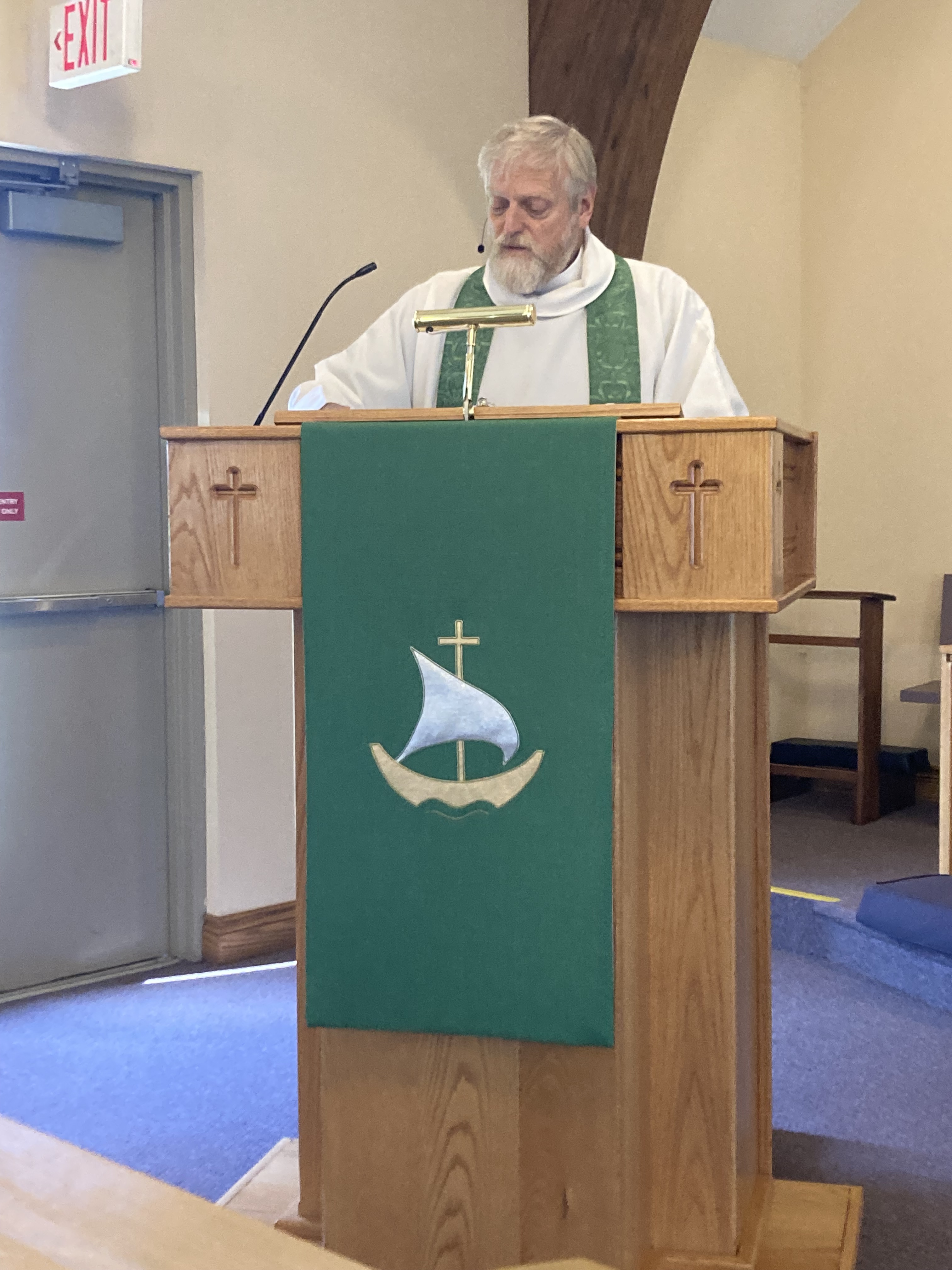
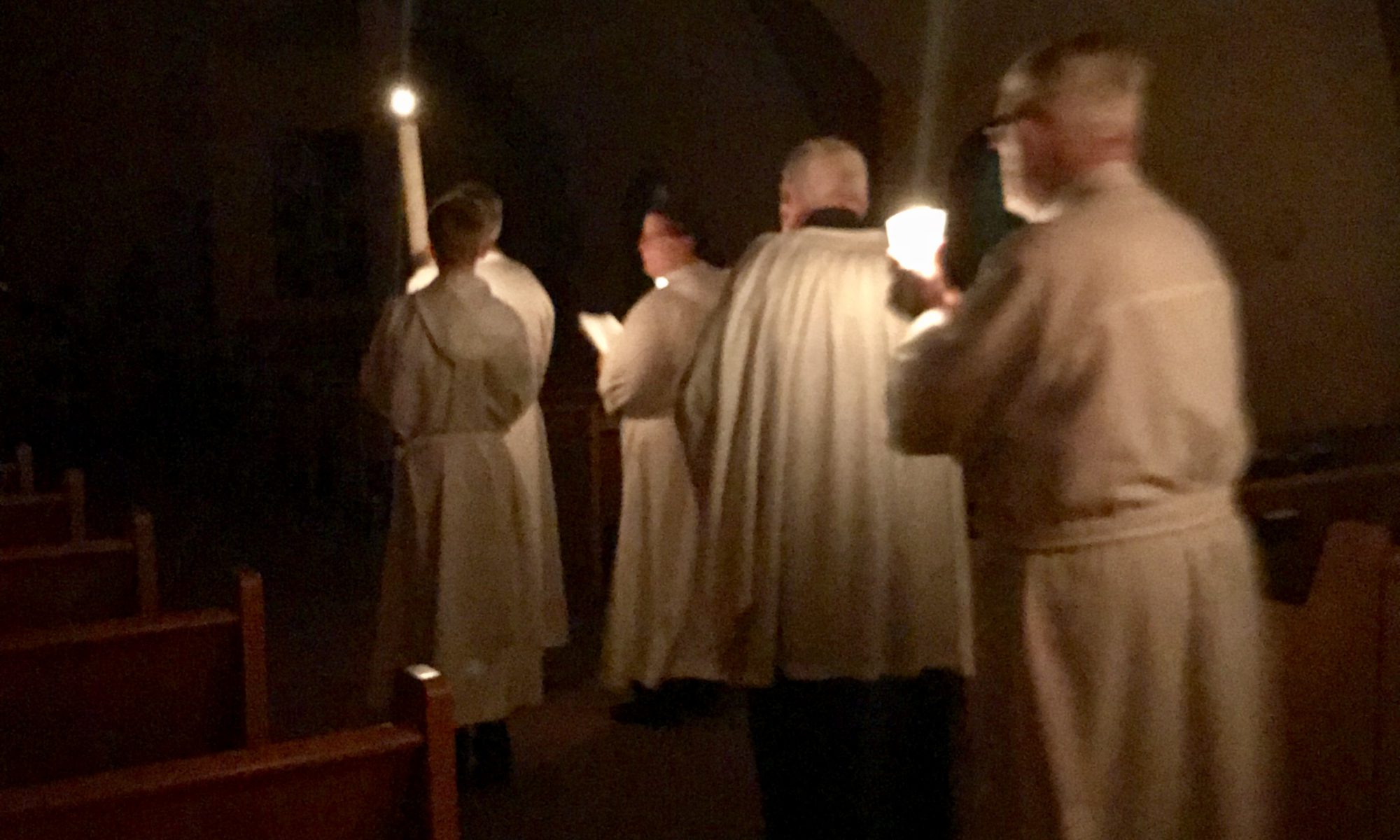
The first hymn includes a procession of the priest and other servers to the front of the worship space. The final hymn includes their procession out of the service at its conclusion. Other hymns or songs are sung according to what the bulletin tells you at times during the service.
The first part of the service is focused on reading scripture – an Old Testament lesson, a Psalm (or part of one), a New Testament lesson from one of the letters of the Apostles, and finally, a reading from one of the Gospels.
These lessons lead to the sermon or homily – a reflection on some meaning in the scriptures of the day that prompts us to change our lives or our understanding of life in some way that the scriptures reveal to us.
Then we say together the Nicene Creed – an ancient confession of basic Christian beliefs that was drawn up by the gathered Bishops of the Church between 325 and 380 AD. For a thousand years there was only one Church.
After the Creed we pray together what is called the Prayers of the People. There are six forms or formats of these prayers that may be followed, according to the Book of Common Prayer. These are normal prayers that attempt to cover all the basic categories of life that Christians need to be praying about – personal, Church-related, national, and world-related.
A common confession of sin prepares us all to share with one another the Peace (also called the Kiss of Peace). The priest reminds us that we are forgiven by God after we confess. Sharing the Peace with one another indicates that there are no serious barriers that keep us from sharing communion with each other, and it is a time that gives us opportunity to confront others in the congregation with whom we may have conflicts, so that issues can be forgiven and resolved before sharing eucharist together.
Please feel free to come forward for communion during the eucharistic portion of the service. God desires to be one with all of his people, and to share himself in ways that transform our lives. The altar or table is not reserved for those with particular beliefs about Christianity, it is open to all who desire communion with God through Jesus Christ.
You may kneel or stand as you are comfortable. Please reach out your hands, placing your open right hand on top of your left. You will be given a morsel of bread (blessed to be Christ’s Body for you). You may eat it immediately or wait to dip it into the chalice of wine which follows (called intincting). Following the bread another server will present you with the chalice of wine, (which has been blessed to be Christ’s blood for you.) You may sip from the chalice or dip your piece of bread and eat it.
It is not necessary to partake of both the bread and the wine if you do not wish. Partaking of either is the same as partaking of both. If you wish to remain at the rail and pray for a few moments, please do not feel rushed, but remember you may also continue praying after returning to your pew. Ushers or those who have been seated around you will help you to follow the procession of communicants and return to your seat.
Following communion there is a common prayer, announcements, and a final hymn that processes the altar party out of the service. As people are dismissed we hope that you will introduce yourself to the priest and to members of the congregation on your way out, and that you will join us for refreshments and fellowship in the parish hall under the church proper. Much of the year there will also be an adult Sunday School offering as fellowship draws to a close.
If you desire prayer or time to talk about a personal concern, please let the priest know about this. Time can be made to deal with such needs immediately following the service, or following fellowship, or an appointment can be made for a counseling session sometime during the week.
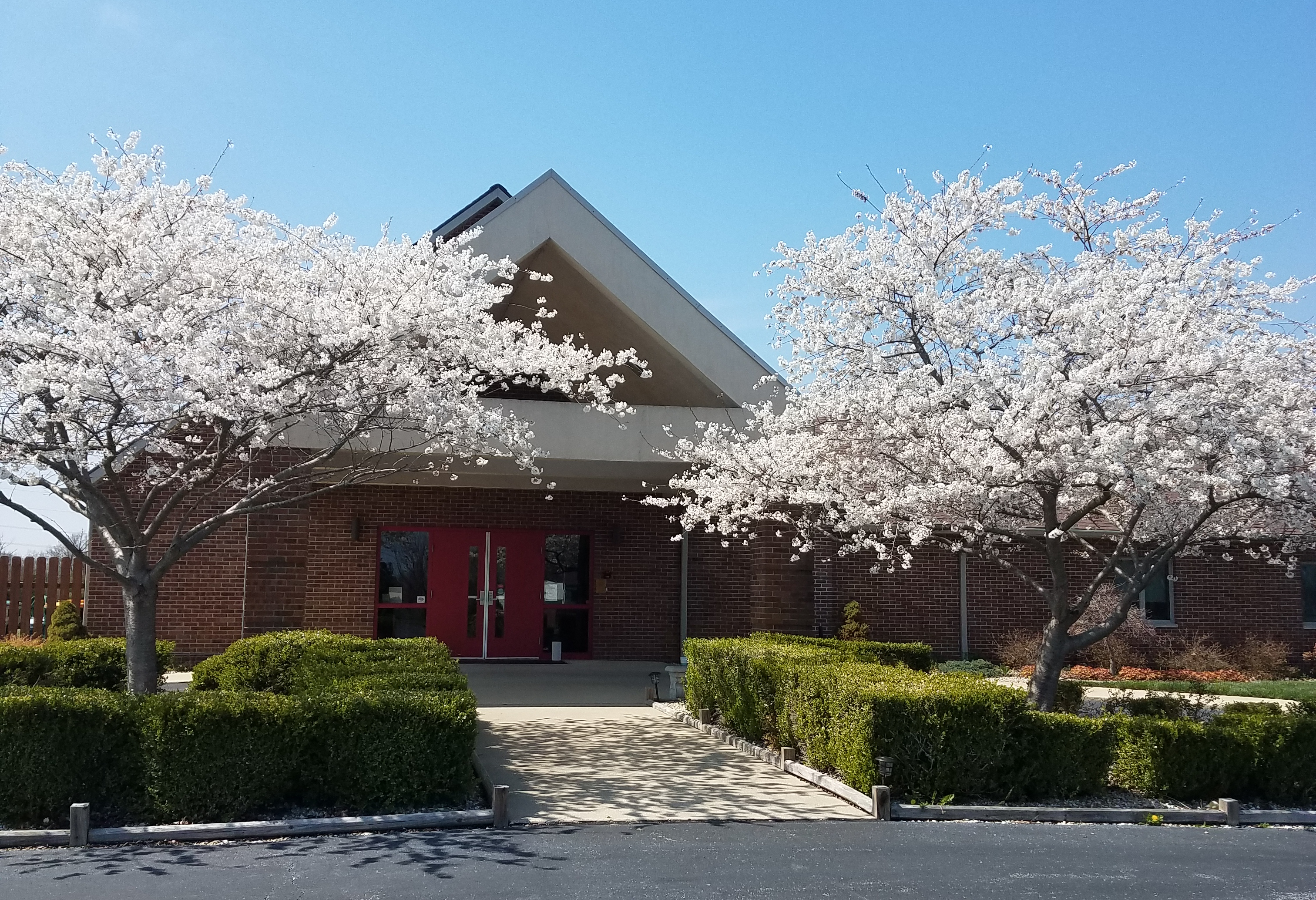
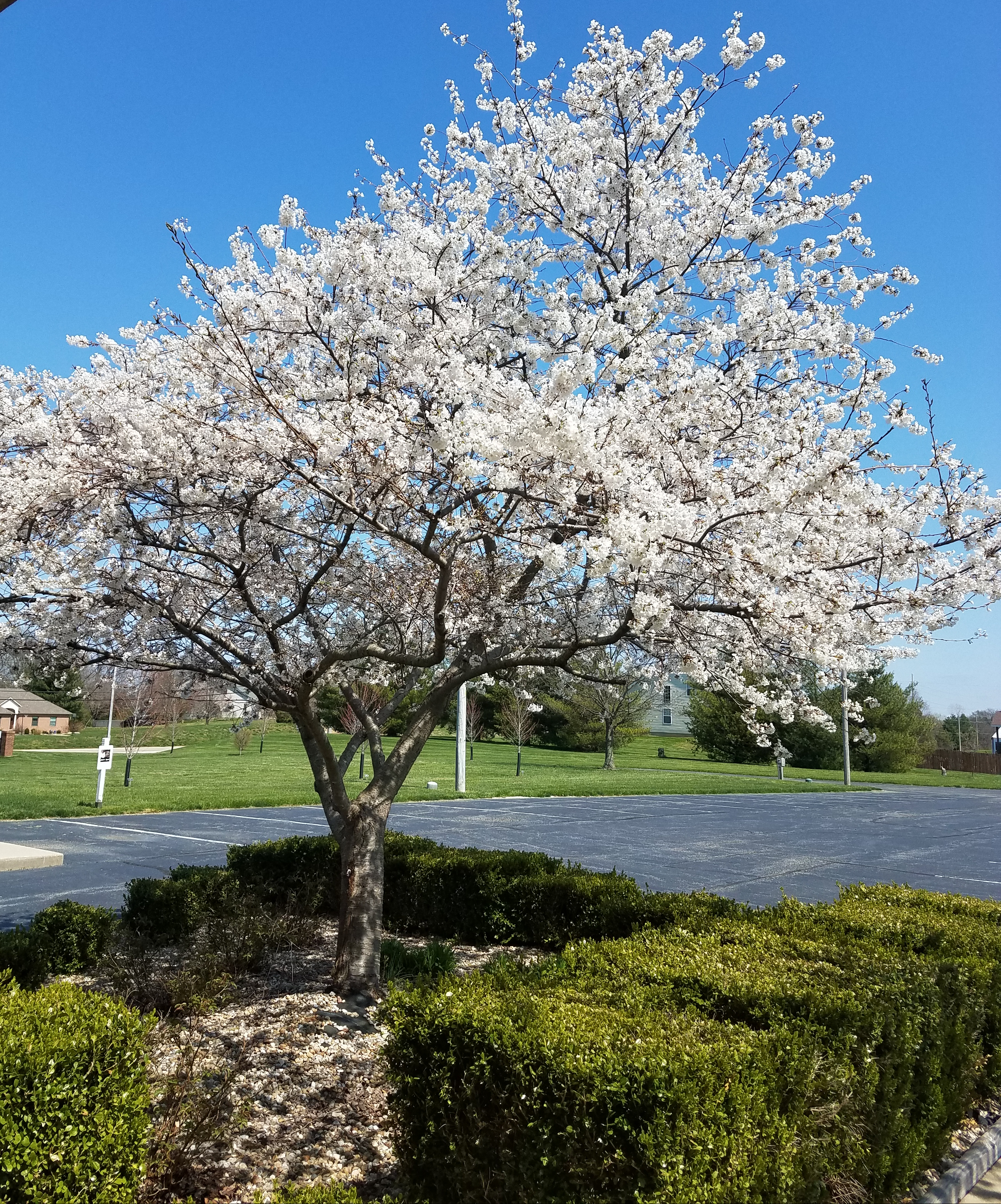

 St. Michael's Episcopal Church